


Why Meal Delivery Quietly Became the Default New-Parent Gift
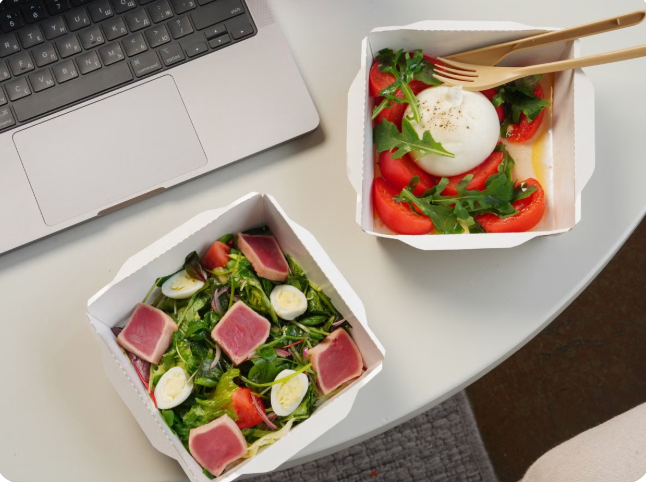
A decade ago, the default new-baby gift was almost always something for the baby – clothing, toys, nursery decor. Somewhere along the way, meal delivery quietly took over as the gift people actually ask for by name.
The gap between what babies need and what parents need
Babies, in the first weeks, need remarkably little beyond feeding, sleep, and basic care – it's the parents whose needs multiply fastest, and cooking is consistently one of the first responsibilities that becomes genuinely difficult to keep up with.
Why "useful" started to outrank "cute"
Social feedback from exhausted new parents, shared openly online over the past decade, shifted collective expectations around baby gifts – practical, immediately usable gifts increasingly get credited as the ones people actually remember fondly, while decorative items often go straight into storage.
Why timing changes what a gift is worth
A meal delivered in the first ten days, when the household is often still adjusting and visitors are frequent, solves a genuinely urgent problem – the same gift arriving two months later, once routines have settled, tends to land as simply nice rather than as meaningfully helpful.
How group gifting changed the economics of meal delivery
Coordinated meal trains, where several people each contribute a single delivery across multiple weeks, spread out both the cost and the effort of gifting – a structure that has made sustained, multi-week support far more common than a single large gift given all at once.
What this shift says about gift-giving more broadly
The move toward practical, need-based gifting in this specific context mirrors a broader trend across gift-giving occasions generally – recipients, when asked directly, consistently report valuing gifts that solve an actual problem over ones chosen primarily for their visual appeal.
This article describes general patterns in new-parent gift-giving and does not endorse or represent any specific gifting service or brand.